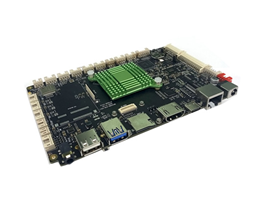
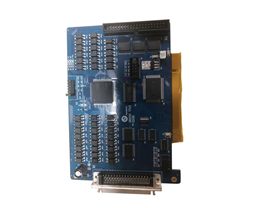
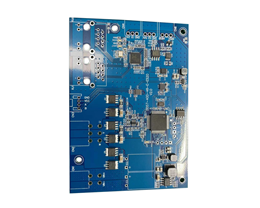
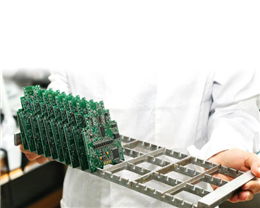
PCBA is the art of PCB circuit boards, such as PCB circuit board manufacturing, component procurement and inspection, SMT patch processing, plug-in processing, program burning, testing, aging, etc. The PCBA processing process involves many links. In order to produce good products, we must control the quality of each link.
1. PCB circuit board manufacturing.
After receiving the PCBA order, analyze the Gerber file, pay attention to the relationship between the spacing of the PCB holes and the bearing capacity of the board, do not bend or break, and whether the wiring considers key factors such as high-frequency signal interference and impedance.
2. Component procurement and inspection.
The procurement of parts and components requires strict control of channels, and must be picked up from major traders and original factories to avoid 100% second-hand and fake materials. In addition, a special incoming material inspection post has been set up to strictly inspect the following items to ensure that the parts are fault-free.
PCB: Reflow oven temperature test. Flying leads are prohibited. Whether the via hole is blocked or leaking ink; whether the board surface is bent;
IC: Check whether the silk screen is completely consistent with the BOM, and maintain constant temperature and humidity;
Other commonly used materials: check silk screen, appearance, power-on measurement, etc. The inspection items are carried out by sampling, and the proportion is generally 1-3%.
3. SMT chip processing.
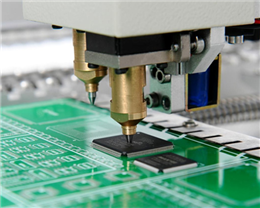
Solder paste printing and reflow oven temperature control are key. It is very important that the laser stencil is of good quality and meets the process requirements. According to the requirements of the PCB, it is necessary to add or reduce some stencils, or use U-shaped holes, and make stencils according to the process requirements. Gentle speed control of the reflow oven is critical for solder paste penetration and solder reliability and can be controlled according to normal SOP operating guidelines. In addition, AI testing needs to be strictly enforced to reduce adverse effects caused by human factors.